
Cedar vs Vinyl Fence in Red Deer: Which One Lasts in Alberta?
Cedar and vinyl are the two most common fence materials in Red Deer. Here is an honest comparison of how each performs through Alberta winters, what they cost over time, and which one makes more sense depending on what you care about.
By David Hutten, Owner, Green Ladder Contractors
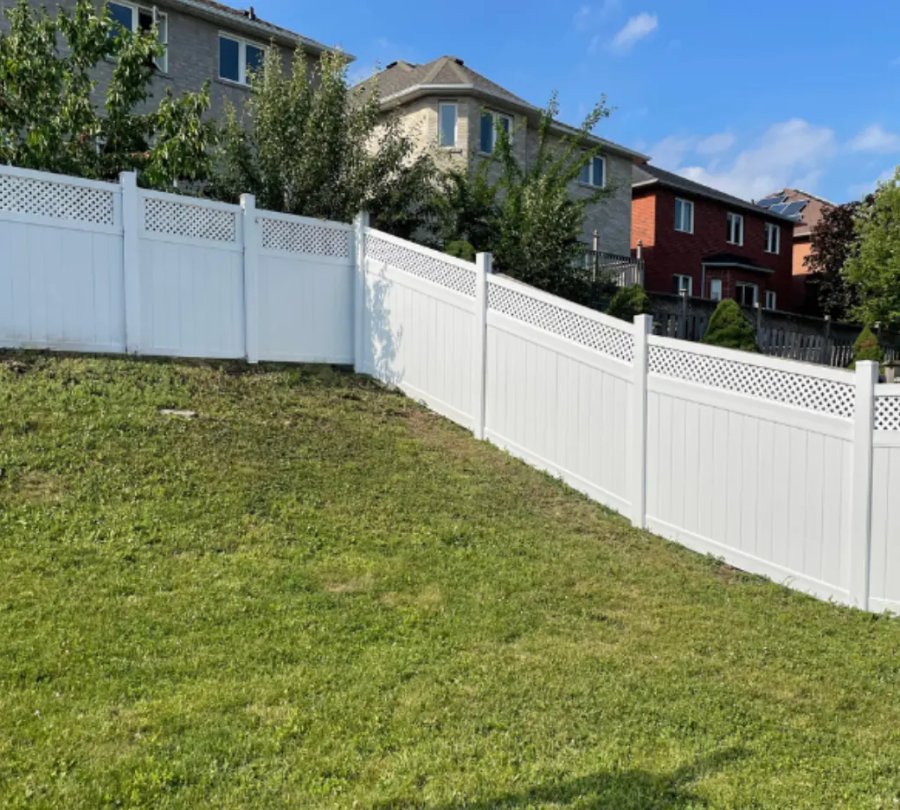
Cedar or vinyl. It is the most common question we get on fence jobs in Red Deer, and the answer is not the same for everyone. Both materials build excellent fences in Central Alberta when installed correctly. The right choice depends on what you care about: appearance, maintenance, upfront cost, or long-term cost.
Here is what we have learned building fences across Red Deer and Central Alberta, and what we tell homeowners when they ask.
The Short Answer
Vinyl lasts longer with less work. Cedar looks better when it is fresh and properly maintained, and it is repairable if a board gets damaged. The upfront cost difference has narrowed in recent years. Over a 20-year horizon, vinyl typically costs less when you include cedar maintenance.
If you want a fence you never have to think about, vinyl is the right call. If you want the look of natural wood and are willing to do the maintenance, cedar is a strong choice.
How Cedar Performs in Alberta
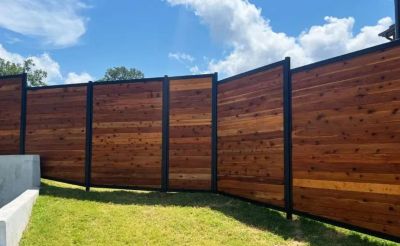
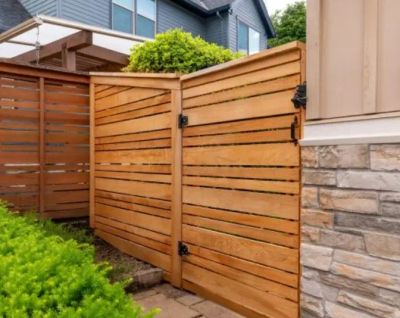
Western red cedar is the traditional choice for residential privacy fencing in Alberta, and there are good reasons it has held that position. It is naturally rot-resistant, it holds stain well, and a fresh cedar fence with a good stain looks warm and natural in a way vinyl cannot match.
The challenge in Alberta is the climate. Cedar responds strongly to moisture and temperature swings. Boards that are not sealed properly will check and split as they dry out in summer heat. Rails and posts that sit in wet soil without adequate treatment will begin to degrade. A cedar fence that is installed correctly and maintained on schedule lasts 15 to 20 years. One that is not stained regularly may start looking rough in 5 to 7 years.
The maintenance schedule for cedar in Red Deer: a sealer or penetrating stain should go on within the first 6 to 12 months of installation (once the wood has dried), and the fence should be re-stained every 3 to 5 years after that. If you skip maintenance cycles, you are pulling ahead the timeline on boards splitting and rails failing.
One advantage cedar has that vinyl does not: individual boards can be replaced. If a car backs into a cedar fence section, you swap the boards. If a vinyl panel gets cracked, you have to match the original product, which may or may not be available years later.
Does a vinyl fence crack in an Alberta winter?
Installed correctly, with expansion gaps at every panel joint, vinyl handles Alberta winters without issue. Vinyl fence is PVC, which expands and contracts significantly with temperature. In Central Alberta, where temperatures swing from -35C to +35C, that movement is considerable. A vinyl fence installed without proper expansion gaps will buckle in summer and can crack in extreme cold.
Post core matters in Alberta. Basic vinyl posts are hollow PVC, and they can lean as soil shifts seasonally. We install vinyl fence with aluminum post cores, which means the post has structural integrity independent of the panel infill. This is especially important in the clay soil common around Red Deer, where freeze-thaw cycles create lateral soil movement.
A well-installed vinyl fence in Red Deer lasts 25 to 30 years or more. It requires no painting, no staining, and no sealing. Cleaning with soap and water once a year is the full maintenance requirement.
The downside: vinyl looks like vinyl. It does not have the warmth or texture of wood grain. Some homeowners prefer it; others find it looks too uniform. It is also harder to repair than cedar if a panel is damaged.
Is vinyl cheaper than cedar over 20 years?
The 20-year totals are similar. Cedar can come out cheaper if you do the maintenance yourself. Vinyl comes out cheaper if you factor in professional staining at each cycle. Either way, the gap is smaller than most people expect.
Using a 150-linear-foot fence as a baseline:
Cedar: $5,700 to $9,000 to install. Four stain cycles over 20 years at roughly $500 to $800 each. Total 20-year cost: $7,700 to $12,200.
Vinyl: $7,500 to $12,750 to install. Minimal ongoing maintenance cost. Total 20-year cost: $7,500 to $12,750.
Which One We Recommend, and When
Cedar makes sense when: the fence is visible from a deck or outdoor living area and the natural look matters to you, you are willing to maintain it on schedule, or the fence is a partial run rather than a full perimeter where matching the existing material is important.
Vinyl makes sense when: you want zero maintenance, the fence is a full perimeter privacy fence along property lines, you have children or pets and plan to be in the house for the next 20 years, or you are installing fence in an area you do not want to think about again.
We build both, and we will tell you honestly at the consultation which one makes more sense for your specific situation.
What About Composite Fencing?
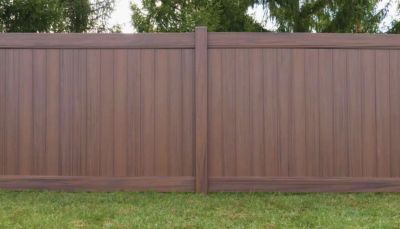
Composite fence panels are a third option that splits the difference. They look more like wood than vinyl does, they require no staining, and they hold colour better than cedar. They cost more than both cedar and vinyl upfront, but for homeowners who want the natural look without the maintenance, they are worth considering. Composite fence panels can also be matched to composite deck boards for a unified material palette across the outdoor space.
Fencing & Privacy
Cedar, vinyl, and composite privacy fencing with posts set below frost line in concrete.
See Our Fencing & Privacy Work →Before you sign a quote: What a complete fence quote includes
More from the Green Ladder Blog
David Hutten
Owner, Green Ladder Contractors
David Hutten started building at age 10 and has 25 years of hands-on construction experience. Green Ladder Contractors builds custom outdoor living spaces, decks, fences, pergolas, and landscaping, across Red Deer and Central Alberta.
Ready to start your project?
Book a free 15-minute discovery call. We'll walk through your vision, budget, and timeline.