
Porcelain vs Ceramic Tile: Which Belongs Where
Porcelain is denser and absorbs less water. Ceramic is easier to cut and lighter. Which one belongs on a floor, a wall, and a cold Alberta slab.
By David Hutten, Owner, Green Ladder Contractors
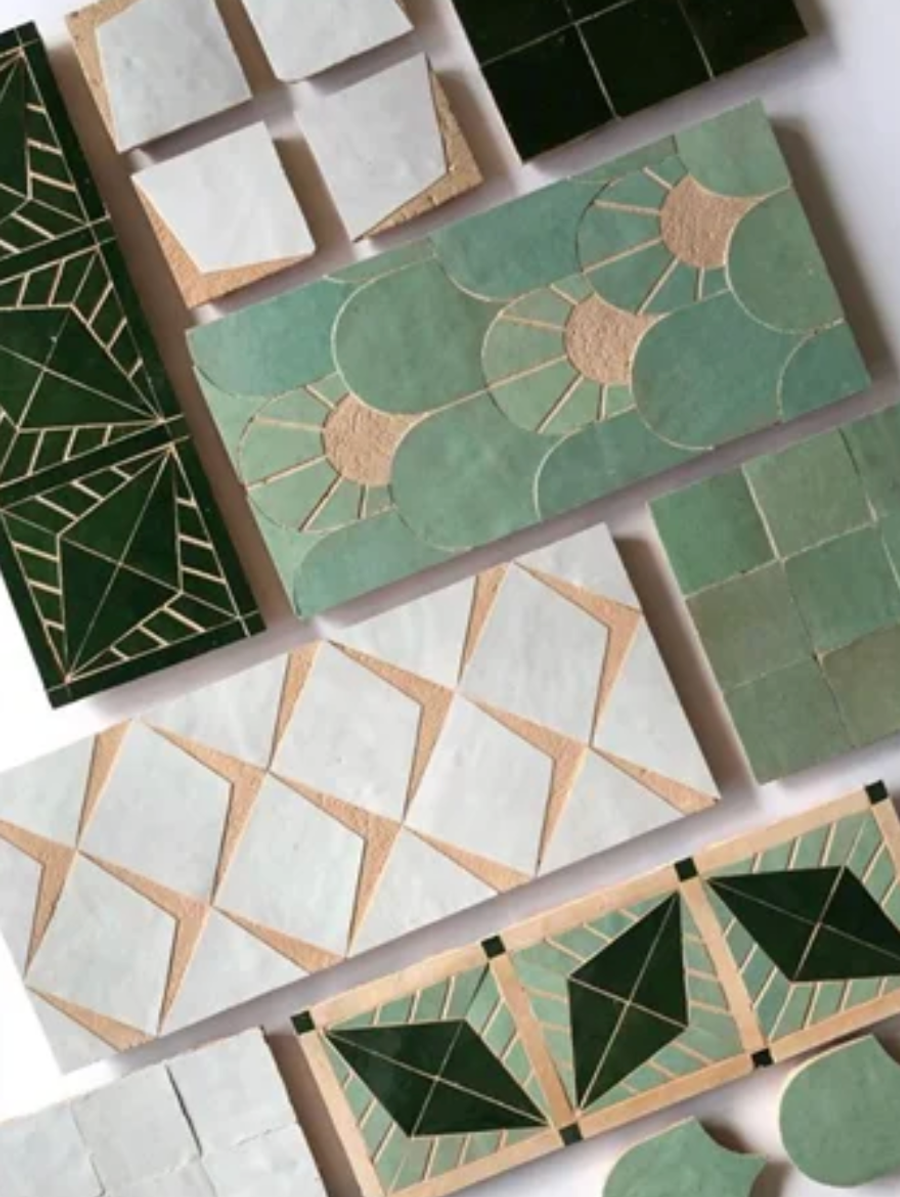
Porcelain and ceramic sit beside each other in the same aisle and look like variations on one product. They are made differently, they behave differently underfoot, and one of them is a considerably better idea on a basement floor.
What is the difference between porcelain and ceramic tile?
Both are fired clay. Porcelain is made from a finer clay and fired hotter and longer, which produces a denser, harder tile.
The number that captures it is water absorption. Porcelain absorbs half a percent of its weight in water or less, and that is the industry definition rather than a marketing claim. Ceramic absorbs more, often several percent.
Everything else follows from that one property.
Why absorption matters in Alberta
A tile that absorbs water and then freezes is a tile that cracks, because the water expands inside it. Indoors that rarely comes up. It comes up on a step from a garage, an unheated entry, or anywhere a floor gets cold enough.
The more common Alberta issue is a basement slab. Concrete below grade carries moisture, and it is cold from below year round. Porcelain does not care. Ceramic in that setting is less forgiving, particularly if the slab has any moisture movement through it.
Through body versus glazed
This is worth understanding because it decides how a chip looks.
A glazed tile has its colour in a surface layer. Chip it and the body underneath shows through in a different colour, usually pale. On a busy floor that chip is visible forever.
A through body porcelain has the same colour all the way through, so a chip is far less noticeable. In a mudroom or an entry where boots and gear land, that is a real advantage.
What PEI rating does a floor tile need?
For a house floor, a PEI rating of three or four is the range (a five is built for a grocery store aisle). Tile carries a PEI rating from one to five for surface wear. One and two are wall tile only. Three suits normal residential floors. Four handles heavy residential and light commercial. Five is commercial.
A five rated tile in a powder room is not better, it is just harder to cut. And a PEI rating on a wall tile is irrelevant, because nobody walks on it.
Cutting, and what it does to the labour
Porcelain is harder to cut. It needs a wet saw and better blades, cuts take longer, and intricate work like a mitred edge or a lot of small cuts around a niche takes real time.
Ceramic scores and snaps more easily. On a wall with a complicated layout, that difference shows up in the labour, so a porcelain wall and a ceramic wall are not the same install even at the same tile size.
Large format changes the rules
Big tiles are popular and they are unforgiving, because a large tile cannot follow a floor that is not flat. It bridges the dips and then cracks, or it lippages at the edges so one tile stands proud of the next.
The subfloor gets checked and flattened first, every time. It is the thing that decides whether the floor looks right, and it belongs in the quote on its own line. Tile over a floor with movement in it cracks at the grout lines, and the bigger the tile the sooner it happens.
Rectified edges, and why grout lines get wide
A rectified tile has been mechanically cut after firing so every piece is exactly the same size with a crisp square edge. That is what allows a narrow grout line.
A non rectified tile comes out of the kiln with slight size variation and a softer cushioned edge, and it needs a wider joint to absorb that variation. Forcing a narrow joint on a non rectified tile is how you end up with grout lines that wander.
So if you have seen a floor with very fine joints and want that, you are asking for rectified tile, and it is worth naming in the quote. Wider joints are not a compromise, incidentally. On a large floor a slightly wider joint gives the installation somewhere to absorb movement.
Does porcelain or ceramic tile need sealing?
Neither tile needs sealing. Some natural stone does, and that is where the confusion comes from.
Cement grout is porous and it does. That is the surface that goes grey in a shower and dark in a kitchen traffic lane. Epoxy grout is not porous, does not need sealing and resists staining, and it is harder to install and less forgiving to clean up, so it costs more in labour.
For a shower floor or a kitchen backsplash behind a range, epoxy is worth the conversation. For a bedroom floor it is not.
Where does porcelain belong, and where is ceramic fine?
Porcelain for floors, for anywhere that gets wet, for a basement slab, for an entry, and for a shower floor. Ceramic is perfectly good for walls, backsplashes and tub surrounds, where it costs less, weighs less and cuts easier.
A common and sensible split in a Central Alberta bathroom is porcelain on the floor and in the shower, ceramic on the surround walls above.
What to ask for in the quote
The tile by name with its PEI rating and whether it is through body. What the tile is set over on both floors and walls. Whether the subfloor is being checked and levelled first, as its own line. The layout, so you know where cut tiles land, because they should land where they are least seen rather than beside the vanity. Grout type and colour, and whether an anti fracture membrane is included on a slab.
Interior Renovations
Basement development, kitchen and bathroom remodels, and whole-home interior renovations across Red Deer and Central Alberta.
See Our Interior Renovations Work →Before you sign a quote: What a complete interior renovation quote includes
More from the Green Ladder Blog

David Hutten
Owner, Green Ladder Contractors
David Hutten started building at age 10 and has 25 years of hands-on construction experience. Green Ladder Contractors builds custom outdoor living spaces, decks, fences, pergolas, and landscaping, across Red Deer and Central Alberta.
Ready to start your project?
Book a free 15-minute discovery call. We'll walk through your vision, budget, and timeline.