Tile Flooring in Central Alberta: Where It Works and What to Know
Where tile flooring works in Central Alberta homes: bathrooms, entries, and heated floors, plus porcelain vs ceramic and the cold-climate details that matter.
By David Hutten, Owner, Green Ladder Contractors
Tile is the toughest floor you can put in a house, and it is also the one people most often put in the wrong place or install without the details that keep it from cracking. In a Central Alberta climate, with cold slabs and a big humidity swing between seasons, those details matter more than they do in a milder place. Here is a straight guide to where tile flooring works in a Red Deer home, what kind to buy, and what has to happen underneath it.
Where Tile Earns Its Keep
Tile is a premium floor to install, so put it where its strengths pay off:
- Bathrooms. Tile is the natural bathroom floor. It is waterproof at the surface, it shrugs off splashes, and it pairs with the tiled shower. This is tile's home turf.
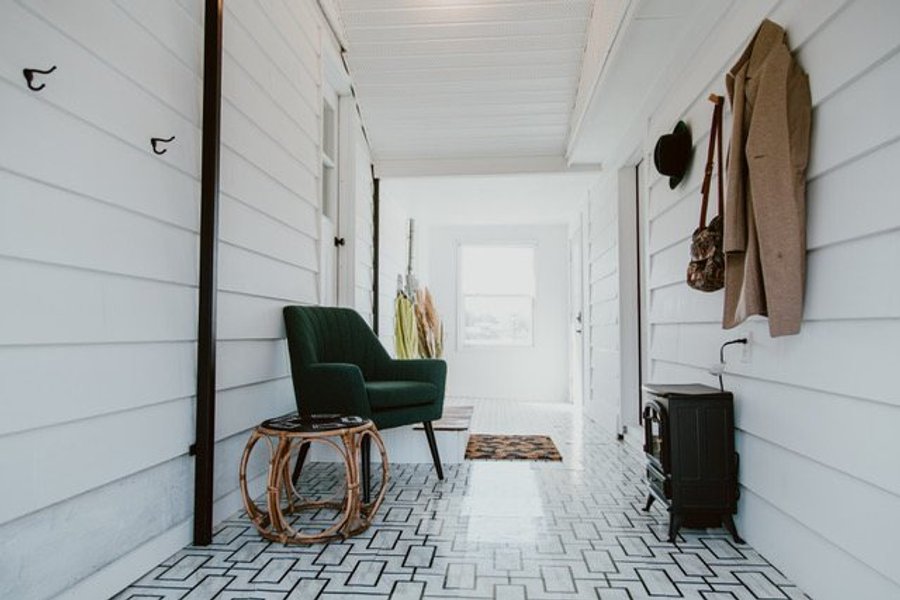
- Entries and mudrooms. In Central Alberta, the front and back entries take a beating: snow, road salt, grit, and meltwater all winter. Tile handles wet boots and salt far better than wood or laminate, and it cleans up easy. A tiled entry is one of the smartest floor choices in this climate.
- Laundry and utility rooms. Water-prone rooms where a hard, waterproof floor makes sense.
- Over heated floors. Tile is the best partner for in-floor heat because it conducts and holds warmth well, which we get into below.
Where tile is a harder sell is a whole main floor or bedrooms, because it is cold and hard underfoot, which in our winters is a real consideration unless it is heated.
Porcelain vs Ceramic
Both are fired clay tile, and they look similar on the shelf, but they are not the same underfoot.
Porcelain is denser, harder, and absorbs almost no water. That density makes it more durable and better for floors, entries, and any high-traffic or wet spot. It is the better choice for a Central Alberta entry that sees salt and freeze-thaw grit tracked in all winter.
Ceramic is a bit softer and more porous, generally cheaper, and easier to cut. It is perfectly good for walls, backsplashes, and lower-traffic floors, but for a hard-working floor, porcelain is worth the small premium.
For most floor applications in this climate, we lean porcelain. For a wall or a light-duty floor, ceramic is fine.
What Goes Under the Tile Matters Most
A cracked tile floor is almost never the tile's fault. It is what is under it. Tile is rigid and unforgiving, so the substrate has to be flat, solid, and not moving.
- On a wood subfloor, tile needs a proper backer board or an uncoupling membrane between the wood and the tile. Wood flexes and moves with our humidity swings, and that membrane lets the floor move a little without transferring the stress into the tile and cracking it. Tile set straight onto a plain plywood subfloor is a floor that cracks.
- On a concrete slab, the slab has to be sound and flat, and any cracks get treated so they do not telegraph up through the tile.
- Flat is everything. Low spots get filled with self-levelling compound before tile goes down. Tile over a wavy floor lips at the edges and cracks at the high spots.
Skipping the substrate step to save money is the single most common reason a tile floor fails.
The Cold Slab and Heated Floors
Tile over a concrete slab, on a basement floor or a slab-on-grade entry, is cold. That is just physics in a Central Alberta winter, the slab sits near ground temperature and the tile passes it straight to your feet. This is exactly where in-floor heating pays off. An electric heat mat set under the tile turns the coldest floor in the house into the warmest, and it is far cheaper and easier to install while the floor is already open for tile than to add later. If you are tiling a bathroom or a basement floor, at least price the heated option before you decide.
Grout and Sealing
Grout lines are the maintenance part of a tile floor. Use the right grout, seal it where it needs sealing, and consider a darker grout in an entry where winter grit and salt will dirty a light grout fast. Modern grouts are far more stain-resistant than the old stuff, and getting this right up front saves you scrubbing later.
Frequently Asked Questions
Is porcelain or ceramic better for floors?
Porcelain, for floors and wet or high-traffic areas. It is denser, harder, and absorbs almost no water. Ceramic is fine for walls and light-duty floors.
Why did my old tile floor crack?
Almost always the substrate: tile set on a floor that flexed or was not flat, with no uncoupling membrane. The tile is rarely the problem.
Do I need heated floors under tile?
Not required, but over a cold slab it makes a huge difference in comfort, and it is much cheaper to install while the floor is already open for tile.
Is tile a good choice for a Red Deer entry?
One of the best. It handles snow, salt, and wet boots far better than wood or laminate and cleans up easily. Go with porcelain.
Thinking about tile? Book an in-home consultation with Green Ladder. We will look at your Central Alberta floors, tell you where tile makes sense and where it does not, and make sure what goes under it is done right.
Interior Renovations
Basement development, kitchen and bathroom remodels, and whole-home interior renovations across Red Deer and Central Alberta.
See Our Interior Renovations Work →Before you sign a quote: What a complete interior renovation quote includes
More from the Green Ladder Blog
David Hutten
Owner, Green Ladder Contractors
David Hutten started building at age 10 and has 25 years of hands-on construction experience. Green Ladder Contractors builds custom outdoor living spaces, decks, fences, pergolas, and landscaping, across Red Deer and Central Alberta.
Ready to start your project?
Book a free 15-minute discovery call. We'll walk through your vision, budget, and timeline.