
In-Floor Heating for Alberta Bathrooms and Basements
In-floor heating for Red Deer and Central Alberta homes: electric vs hydronic, where it pays off in our cold climate, what it costs, and how it goes in.
By David Hutten, Owner, Green Ladder Contractors
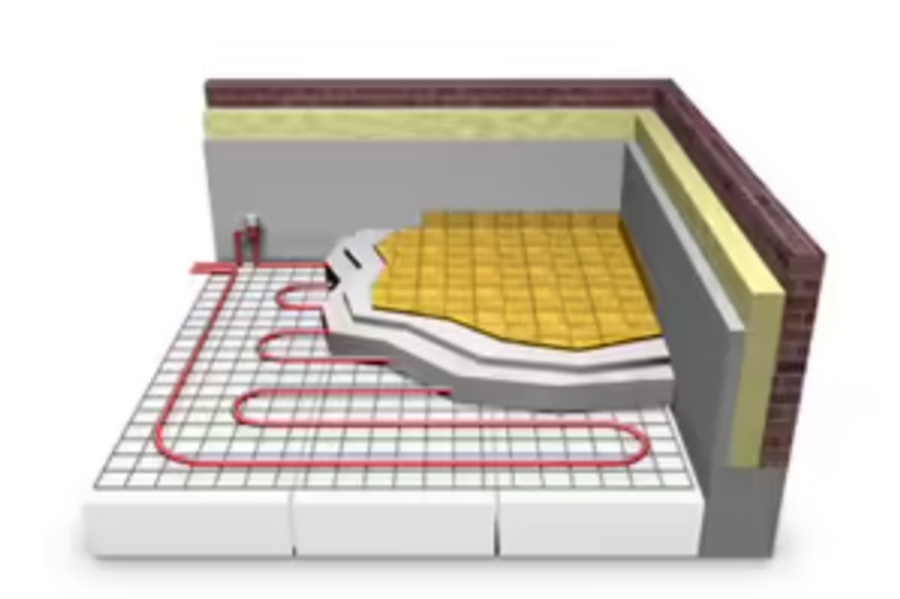
There is a short list of renovation upgrades that people never regret, and heated floors are near the top of it in a Central Alberta home. Stepping onto a warm bathroom floor at 6 a.m. in January, or finishing a basement so the concrete underfoot is not a cold plate all winter, is the kind of comfort you feel every single day for months. Here is how in-floor heating actually works, where it pays off in our climate, and what it costs to put in.
Why It Makes Sense Here
In a milder place, heated floors are a luxury. In Central Alberta, where the ground is frozen for a good chunk of the year, they solve a real problem. Two spots in particular:
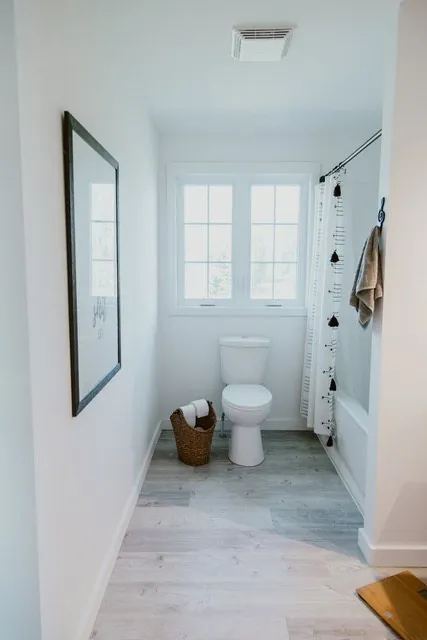
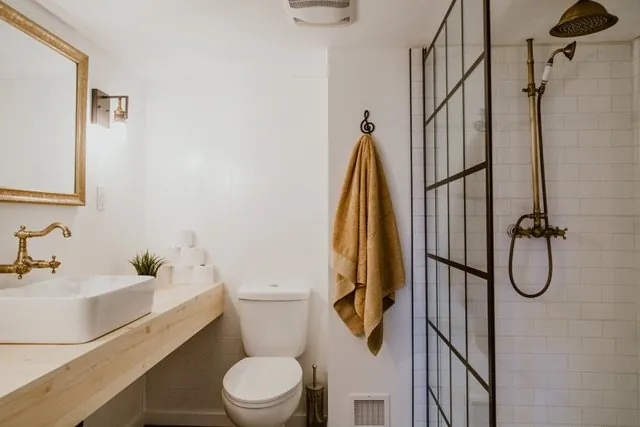
- Bathrooms. Tile is the right bathroom floor, but tile is cold, and a cold tile floor first thing on a winter morning is the classic complaint. A heat mat under the tile fixes it completely.
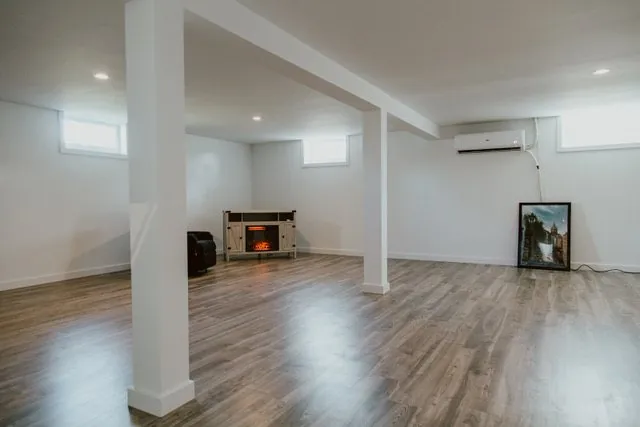
- Basements. A basement slab sits on cold ground, so a basement floor is cold underfoot from October to April no matter how well the space is finished. Heating the floor makes a finished basement genuinely comfortable rather than a room nobody wants to sit in during winter.
If you are already tiling a bathroom or finishing a basement floor, the floor is open anyway, which is the cheap moment to add heat.
Electric or hydronic: which in-floor heat is best?
For most renovations, electric is the practical choice. It suits bathrooms, tiled entries and a basement floor over an existing slab, and it adds only about 1/8" to the floor height. Hydronic is the better system where there is a new slab or a whole floor to heat (a garage, an addition, or a basement getting a new pour), and it is inexpensive to run on Alberta natural gas.
Electric (mats and cables). A thin heating cable, usually pre-attached to a mat, gets laid over the subfloor and embedded in the mortar under the tile. It runs on your electrical system and is controlled by a programmable thermostat, often with a floor sensor. Electric is the right choice for bathrooms and other small-to-medium rooms: it is simpler, cheaper to install, low-profile so it barely raises the floor height, and a licensed electrician handles the connection. For a single bathroom, this is almost always the answer.
Hydronic (warm water tubing). Tubing is run through or under the floor and warm water is circulated through it from a boiler or water heater. In a renovation that usually means a new slab poured over the tubing, or panels that raise the floor, so it fits best where the floor is being built new anyway. Hydronic costs more to install and needs mechanical equipment, but it is efficient over large areas and can heat a whole basement or a whole main floor as the primary heat source. For a big basement or a whole-home slab, hydronic is worth pricing. For one bathroom, it is overkill.
The rule of thumb: electric for small rooms and comfort warming, hydronic for large areas and primary heating.
Where is in-floor heating worth it?
It pays off in bathrooms, ensuites, basements, tiled entries, and mudrooms, the cold, hard-floored spaces you actually stand on. It is less worth it under a floor that is already warm, like a well-insulated main floor over a heated space, or under carpet, which insulates against the heat you are paying for. Heated floors want a conductive floor over them, tile first, then some LVP products rated for it. Under thick carpet, most of the warmth never reaches your feet.
What It Costs
For electric in-floor heat in a bathroom, the cost sits on top of the tile job and mostly follows the floor area. The mat itself is a modest part of it, and most of the work is laying it in and making the electrical connection. Because it goes in during the tile install, you are mostly paying for the material and the electrician, not a separate project.
Hydronic for a large basement or whole floor is a bigger number because of the tubing and the mechanical equipment, and it is priced as part of the larger renovation. Operating cost is low for both, since a floor thermostat only heats when you want it, and many people run bathroom floors on a timer for the morning and evening.
Doing It Right
The heat goes in while the floor is open, which means deciding on it before the tile stage, not after. The mat or tubing is embedded in the setting bed under the tile, the thermostat and floor sensor get wired by a licensed electrician, and the layout is planned so you are not heating under the vanity or the tub where nobody stands. Green Ladder manages the full renovation and coordinates the electrician and the tile work so the heat, the substrate, and the tile all sequence correctly. Done in the right order it disappears into the floor and just works.
Frequently Asked Questions
Is electric or hydronic better for a bathroom?
Electric, almost always. It is cheaper, simpler, low-profile, and ideal for a small room. Hydronic makes sense for large areas or whole-floor heating.
Can heated floors be the only heat in a room?
Hydronic can heat a whole basement or floor as primary heat. Electric mats are usually comfort warming that supplements the main heat, especially in a bathroom.
Does it work under any flooring?
Best under tile, which conducts heat well. Some LVP is rated for it. Avoid it under thick carpet, which blocks the warmth you are paying for.
Is it expensive to run?
No. A thermostat only heats when you want it, and many people run it on a timer for mornings and evenings, so operating cost stays low.
Thinking about warm floors for the winter? Book an in-home consultation with Green Ladder. We will look at your Red Deer bathroom or basement, tell you whether electric or hydronic fits, and coordinate the electrician and tile so it goes in right.
Interior Renovations
Basement development, kitchen and bathroom remodels, and whole-home interior renovations across Red Deer and Central Alberta.
See Our Interior Renovations Work →Before you sign a quote: What a complete interior renovation quote includes
Ones we built
More from the Green Ladder Blog
David Hutten
Owner, Green Ladder Contractors
David Hutten started building at age 10 and has 25 years of hands-on construction experience. Green Ladder Contractors builds custom outdoor living spaces, decks, fences, pergolas, and landscaping, across Red Deer and Central Alberta.
Ready to start your project?
Book a free 15-minute discovery call. We'll walk through your vision, budget, and timeline.