
Basement Vapour Barrier and Moisture: What Alberta Homeowners Need to Know
How basement vapour barriers and moisture control really work in Red Deer and Central Alberta, plus the framing mistakes that cause mold in cold basements.
By David Hutten, Owner, Green Ladder Contractors
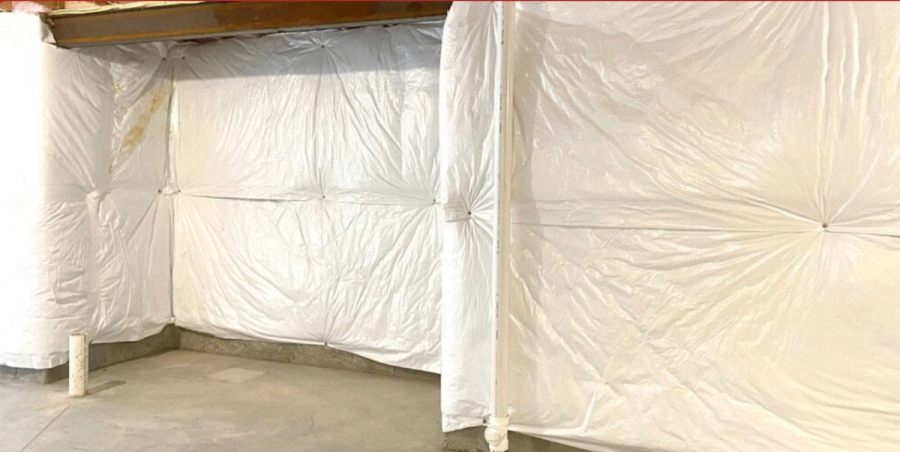
Most basement moisture problems in Central Alberta are not caused by a leak. They are caused by how the basement was finished. Get the moisture control wrong and you can trap dampness behind brand new drywall, where it grows mold you cannot see until it smells. If you are finishing a basement in Red Deer, this is the part to understand before a single stud goes up.
Why Basements in Alberta Are Different
A basement wall is mostly below grade, sitting against cold soil that stays cold for a long Alberta winter. Concrete is not waterproof. It slowly passes moisture from the ground into your basement as vapour. Meanwhile the warm, humid air inside your house wants to move toward the cold. When that warm indoor air hits a cold concrete wall, it condenses into water, the same way a cold glass sweats on a summer day.
Now add framing. If you frame a wall tight against cold concrete and put a plastic vapour barrier in the wrong spot, you can create a cold surface inside the wall cavity where moisture collects and never dries out. That is the recipe for mold behind the finish.
Which side does the vapour barrier go on in a basement wall?
In a heated Alberta home, the vapour barrier generally belongs toward the warm side, which is the interior. It slows warm, moist indoor air from reaching a cold surface. But basements are tricky because the concrete itself can pass ground moisture inward, so you do not want to trap water between two barriers.
A common approach for Central Alberta basements looks like this:
- Control ground moisture at the concrete first with a suitable rigid or sprayed insulation against the wall, which keeps the concrete face warmer and reduces condensation.
- Frame the wall a small gap off the concrete rather than jammed against it.
- Insulate the stud cavity.
- Place the interior vapour barrier correctly so the assembly can dry.
The exact assembly depends on your foundation, your insulation type, and current code. This is where a lot of DIY basements go wrong, because a single sheet of poly slapped against bare concrete traps moisture instead of managing it. We confirm the right assembly for your specific basement during the consultation.
Can a vapour barrier stop water coming through a basement wall?
A vapour barrier handles vapour, not liquid water. If your basement takes on actual water, no amount of poly will save the finish. Before any framing, deal with these:
- Grade the soil so it slopes away from the house, about 6" of drop over the first 6'.
- Make sure downspouts carry water at least 4' to 6' away from the foundation.
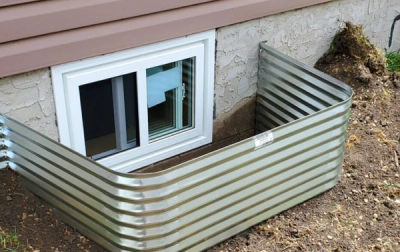
- Check that window wells drain and are not funneling snowmelt against the wall.
- Look for existing cracks, efflorescence (white chalky staining), or past water marks on the concrete.
Freeze-thaw is the enemy here. Water gets into a foundation crack, freezes, expands, and makes the crack bigger every winter. Address cracks and drainage before you close the wall up, because you will not want to open it again.
How can you tell if a basement has a moisture problem?
- A musty smell that never fully clears.
- Cold, damp spots on the floor or lower walls.
- Peeling paint or bubbling on concrete.
- Rust on the bottom of steel posts or fasteners.
- Condensation on windows or ductwork in the basement.
If you see these, sort out the cause before finishing. Finishing over a wet problem just hides it and makes the eventual repair more expensive.
Insulation and Cold Floors
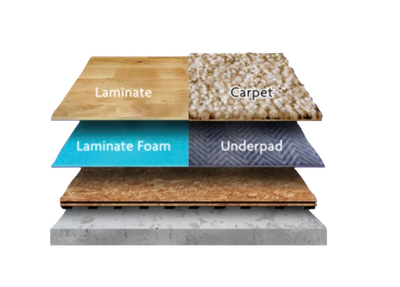
Basement floors sit on cold ground too. Bare concrete floors feel cold all winter and can sweat. A proper subfloor system with a moisture break under the finished flooring keeps the floor warmer and drier, and it makes the whole basement feel like real living space instead of a cold cave. This matters in Central Alberta, where a basement can be the difference between a house that feels cramped and one that fits a growing family.
FAQ
Do I really need a vapour barrier in my Alberta basement?
In a heated home here, some form of vapour control is standard, but placement matters. Done wrong it traps moisture. The right assembly depends on your foundation and insulation, which is why it should be planned, not guessed.
Can I put poly straight against the concrete wall?
Generally no. A single vapour barrier against bare cold concrete can trap ground moisture and cause mold in the framing. Concrete moisture is usually managed with insulation against the wall first.
How do I know if my basement is dry enough to finish?
Check for musty smell, staining, efflorescence, and past water marks, and watch through a wet spring. If you have any doubt, a consultation before framing is cheaper than tearing out a finished wall later.
Does finishing a basement cause mold?
Only if moisture is trapped. A properly built assembly that lets the wall dry, plus good drainage outside, avoids it. Mold comes from trapped water, not from finishing itself.
Planning a basement in Red Deer or Central Alberta? Book an in-home consultation with Green Ladder. We will check your foundation, your drainage, and your moisture risk before we talk framing, so your finished basement stays dry.
Basement Renovations
Basement renovations and full basement development in Red Deer and Central Alberta, built dry and warm for Alberta winters.
See Our Basement Renovations Work →Before you sign a quote: What a complete basement quote includes
More from the Green Ladder Blog
David Hutten
Owner, Green Ladder Contractors
David Hutten started building at age 10 and has 25 years of hands-on construction experience. Green Ladder Contractors builds custom outdoor living spaces, decks, fences, pergolas, and landscaping, across Red Deer and Central Alberta.
Ready to start your project?
Book a free 15-minute discovery call. We'll walk through your vision, budget, and timeline.